Beyond Barriers: How a Glass Flood Wall Combines Transparency with Unmatched Protection!
In the modern era of urban transformation, architectural elegance and climate resilience are no longer mutually exclusive. Cities around the world, from waterfront metropolises to smaller riverfront communities, face an evolving challenge—how to protect residents, businesses, and public infrastructure from devastating flood events while maintaining inspiring architectural design. Traditional concrete floodwalls, while effective, often compromise aesthetics, obstruct scenic views, and alter the very urban landscapes they were intended to safeguard. To address this tension between safety and design, a new generation of protective architecture has emerged: the Glass Flood Wall.
At Newflag Technology Co., Ltd., innovation meets precision engineering to deliver state‑of‑the‑art water‑defense systems that coexist with beauty. Our Glass Flood Wall
technology merges transparency with resilience, allowing cities to
enjoy unobstructed waterside views without sacrificing protection. Using
high‑strength laminated glass panels, robust steel frames, and
meticulous structural detailing, these contemporary flood barriers are
redefining waterfront safety worldwide.
Flood protection once meant imposing, opaque barriers meant to resist nature. Now, the Glass Flood Wall demonstrates that visibility, light, and openness can coexist with strong, durable safeguards.
1. The Need for Transparent Protection
Waterway‑adjacent development has long offered economic and social benefits—vibrant tourism, waterfront commerce, and natural beauty. However, this proximity also brings risk. Rising sea levels, heavier rainfall, and extreme weather events are testing the limits of traditional flood defenses. Concrete and steel walls, though robust, create visual detachment from water, disrupt urban continuity, and can even reduce property value due to aesthetic encroachment.

Enter the era of the Glass Flood Wall:
a solution that offers both physical and visual connectivity. Unlike
traditional barriers, it allows light to pass through, maintaining
sightlines and reinforcing the relationship between city inhabitants and
the surrounding environment. The improvement is more than aesthetic;
transparency fosters public acceptance while empowering authorities to
design flood‑resistant structures integrated seamlessly into urban
architecture.
At Newflag Technology Co., Ltd.,
this dual-purpose—safety without separation—is the foundation of our
design philosophy. Our systems demonstrate that high‑performance
engineering can complement city planning rather than constrain it.
2. What Is a Glass Flood Wall?
A Glass Flood Wall is a permanent or semi‑permanent
flood‑protection system composed of laminated safety‑glass panels
secured within precision‑engineered framing structures, typically
stainless steel or anodized aluminum. The panels are designed to
withstand massive hydrostatic pressure while maintaining optical
clarity.
Unlike temporary barriers or opaque retaining walls, the Glass Flood Wall
functions as a transparent shield. It may line riverbanks, surround
flood‑prone historical buildings, or integrate into embankments without
changing architectural harmony. By combining laminated and tempered
glass layers with specialized interlayers, each panel maintains
structural integrity even if partially damaged, ensuring continued
protection until maintenance or replacement occurs.
3. Key Components and Engineering Principles
To appreciate the sophistication of a Glass Flood Wall, understanding its core elements is crucial:
- Laminated Safety Glass: Typically consisting of multiple tempered glass layers bonded with polyvinyl butyral (PVB) or SentryGlas interlayers, offering strength, elasticity, and optical quality.
- Structural Frame Assemblies: Precision‑machined channels, mullions, and base profiles in corrosion‑resistant stainless steel anchor the panels solidly while allowing expansion and contraction.
- Sealing Systems: High‑grade EPDM or silicone seals ensure watertight performance between joints.
- Load Transfer Mechanisms: Frames transmit horizontal hydrostatic pressure from rising water to foundations or retaining walls without overstressing the glass.
- Drainage and Cleaning Integration: Hidden weep holes, drainage valves, and self‑cleaning coatings reduce buildup and maintenance effort.
These elements work in harmony, not only resisting flood forces but also delivering decades‑long reliability under varying climates. The interplay of transparency and strength reflects meticulous engineering—each Glass Flood Wall must perform flawlessly during disaster while appearing effortlessly elegant during calm weather.
4. The Science of Strength and Transparency

Common intuition suggests glass is fragile, but technical advances defy this notion. The strength of a Glass Flood Wall
relies on the principles of material science and load distribution.
Tempered glass undergoes thermal treatment, creating surface compression
that dramatically enhances its resistance to impact and bending. When
laminated into multi‑layer compositions, this structure behaves as a
unified, ductile barrier capable of absorbing extreme pressure.
Finite‑element
modeling during design ensures panels withstand design floods decades
into the future. Testing often simulates water heights of several meters
coupled with debris impact, verifying compliance with international
standards such as EN 356, DIN 18008, and ISO 16933.
From an
engineering perspective, transparency does not mean vulnerability—it
signifies precision manufacturing that turns glass into a functional
structural element. The result is an urban asset that protects with the
same reliability as reinforced concrete—but with unmatched visual
refinement.
Also Read: Top Applications of Glass Wall Flood Barriers in Commercial and Public Infrastructure
5. Advantages of Glass Flood Walls
a. Persistent Protection with Aesthetic Appeal
The wall remains in place year‑round, offering permanent,
low‑maintenance protection while preserving scenic views. Cities no
longer need to choose between safety and beauty.
b. Weather and Corrosion Resistance
All components are designed for marine and riverine environments.
Glass inherently resists ultraviolet degradation, and stainless‑steel
fixtures prevent rusting, extending service life.
c. Public Engagement and Tourism Value
Tourists appreciate unhindered views of rivers and waterfronts, even
behind safety installations. Transparent protection enhances rather than
diminishes urban appeal, making waterfronts welcoming instead of
isolating.
d. Security and Monitoring
Visual transparency allows security personnel or maintenance crews to
inspect both sides easily. It integrates naturally with surveillance
and lighting systems for safer public zones.
e. Sustainability
By reducing the need for large concrete structures, the Glass Flood Wall lowers embodied carbon, aligns with green‑city goals, and promotes recyclable materials use.
6. Typical Applications
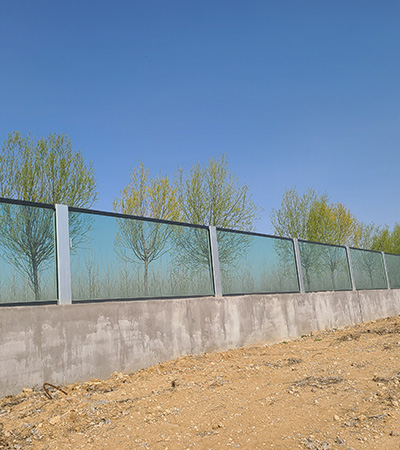
Urban Riverfronts
Municipalities install Glass Flood Walls along promenades or heritage embankments to manage seasonal flooding while preserving uninterrupted sightlines.
Historic Sites
Preserving architectural heritage requires sensitivity; glass
barriers protect without altering the appearance of monuments,
fortifications, or old riverside facades.
Transport and Infrastructure
Ports, metro entrances, and tunnels employ transparent flood walls to prevent water ingress without closing off public spaces.
Commercial Complexes and Hotels
River‑facing resorts, restaurants, and retail hubs integrate the
systems to provide guests unobstructed vistas alongside comprehensive
protection.
Residential Projects
Luxury waterfront developments adopt scaled versions of Glass Flood Wall technology to combine design aesthetics with homeowner security.
7. The Installation Process
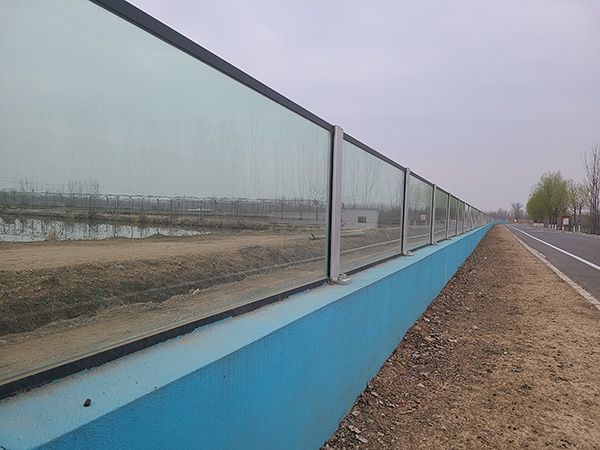
Newflag Technology Co., Ltd. manages every phase from design to commissioning:
- Site Assessment: Engineers evaluate hydrostatic loads, soil conditions, and foundation integrity.
- Customization and Design: Each wall is modeled digitally to determine panel thickness, frame geometry, and seal specifications.
- Manufacturing: Utilizing CNC machining and certified glass tempering facilities, all components undergo stringent quality checks.
- On‑Site Assembly: Prefabricated frames are anchored to foundations; glass panels are fitted with specialized lifting tools, ensuring precision alignment.
- Testing and Certification: After installation, hydrostatic tests confirm watertight sealing and structural stability.
The outcome is a cohesive protective structure seamlessly merging with the existing landscape.
8. Why Choose Newflag Technology Co., Ltd.?
Expertise distinguishes excellence. Newflag Technology Co., Ltd. offers:
- Comprehensive R&D Heritage focused on structural glass applications and hydrological simulation.
- Integrated Design Support, providing customized CAD drawings, stress analysis, and aesthetic drafts for architects.
- Globally Proven Projects across Asia, Europe, and the Middle East that testify to product durability and visual quality.
- Sustainability Orientation, prioritizing recyclable materials and energy‑efficient production.
- Unwavering After‑Sales Support through maintenance contracts and periodic inspections.
With continuous improvement and client collaboration at its core, the company has become a trusted partner for projects requiring both architectural finesse and flood resilience.
9. Maintenance and Long‑Term Performance
Maintenance of a Glass Flood Wall is straightforward but essential. Regular inspection ensures continued transparency and sealing integrity.
- Cleaning: Routine washing, similar to façade maintenance, keeps clarity high. Hydrophobic coatings can minimize water‑spot formation.
- Joint Care: Periodic sealant checks prevent deterioration. Replace gaskets as recommended.
- Structural Review: Every few years, frames should be inspected for corrosion or anchor wear by qualified technicians.
Thanks to durability and corrosion resistance, service intervals are lengthy, translating to low annual upkeep costs compared to painted steel or concrete structures.
10. Integrating Technology and Smart City Strategies
In smart‑city initiatives, infrastructure often connects to monitoring networks. Glass Flood Wall systems can integrate with:
- Water‑Level Sensors and early‑warning alerts.
- Lighting Controls, using LED uplighting to highlight riverfronts at night.
- Environmental Data Aggregation, allowing planners to measure flood trends in real time.
By combining data analytics with physical resilience, the modern Glass Flood Wall becomes part of a living smart‑infrastructure ecosystem.
11. Economic Rationale
Investment in transparent protection delivers monetary returns far beyond flood prevention alone:
- Reduced Flood Damage: Protecting billions in real estate and infrastructure value.
- Increased Property Worth: Waterfront areas retain or gain desirability due to preserved views.
- Lower Maintenance and Lifecycle Costs: Fewer repairs, longer lifespan, reusable materials.
- Enhanced Tourism: Scenic continuity attracts visitors, stimulating local economies.
Economic models show that integrating Glass Flood Wall solutions in city‑revitalization strategies yields both direct and indirect returns within five to ten years.
12. Sustainability and Environmental Impact
Each Glass Flood Wall installation aligns with global sustainability frameworks:
- Recyclable Materials: Up to 90 % of components are recyclable.
- Reduced Construction Waste: Prefabricated modules minimize site disturbance.
- Minimal Land Use: Slim profiles preserve natural water flow and vegetation.
By emphasizing low‑impact engineering, Newflag Technology Co., Ltd. contributes to long‑term ecological preservation while securing communities from climate‑related threats.
13. Challenges and Solutions
No technology is without hurdles. Challenges include ensuring scratch resistance, managing condensation, and simplifying installation for long wall sections. Through ongoing R&D, these challenges are overcome by:
- Applying nano‑coatings for self‑cleaning and abrasion protection.
- Using thermally insulated frames to minimize condensation effects.
- Introducing modular lifting systems for faster deployment on site.
Continuous innovation ensures each successive generation of Glass Flood Wall performs better than the last.
14. The Future of Flood‑Resilient Design
As climate change accelerates, resilient yet aesthetically pleasing infrastructure will define modern civilization’s relationship with nature. The future vision includes hybrid systems where Glass Flood Walls combine with demountable sections, kinetic foundations, or automatically rising mechanisms.

Imagine
cities where protection silently integrates into
architecture—structures that reflect sunlight by day and illuminate
waterfronts by night, all while standing guard against storm surges.
Such harmony of beauty and safety is precisely where Newflag Technology Co., Ltd. continues to lead global innovation.
The Glass Flood Wall
stands as a true symbol of 21st‑century urban resilience—transparent,
strong, and elegant. It proves that progress in infrastructure need not
sacrifice beauty for safety. By merging architectural transparency with
unrivaled protection, it redefines the relationship between people and
water, transforming flood defense into an art form of clarity and
confidence.
Frequently Asked Questions (FAQ)
Q1. What makes a Glass Flood Wall different from traditional barriers?
It
offers the same flood‑resistance performance as conventional walls but
remains transparent, maintaining scenic and architectural continuity.
It’s both a structural and an aesthetic element.
Q2. How strong is the glass used in these systems?
The
laminated, tempered glass can resist water pressures and impact loads
well above design‑flood levels, tested according to
EN 356 and DIN standards. Even if cracked, layers remain bonded,
preserving integrity.
Q3. Is maintenance difficult or expensive?
No.
Routine cleaning and periodic seal inspections suffice. Thanks to
corrosion‑resistant frames, lifecycle costs remain significantly lower
than painted metal or concrete systems.
Q4. Can it withstand debris impact during floods?
Yes.
Testing simulates floating logs, stones, and wave surge conditions.
Structural redundancy and flexible interlayers dissipate energy from
impacts efficiently.
Q5. How is water tightness ensured between each panel?
Precision‑machined
joints with EPDM gaskets or silicone seals create a continuous
waterproof line. Frame pressure locks and compression bars assure even
distribution of sealing forces.
Q6. Are Glass Flood Walls safe around the public?
Absolutely.
Laminated glass prevents sharp fragments; even in breakage scenarios,
panels remain adhered. Safety
handrails or caps can be customized for pedestrian areas.
Q7. How long is the expected lifespan of a Glass Flood Wall?
With
proper maintenance, structural components often
exceed 50 years of service. Interlayer technologies ensure transparency
and durability under UV exposure.
Q8. Can these walls be retrofitted onto existing embankments?
Yes. Engineers can design frame anchors matching existing foundations, making retrofits efficient for modernization projects.
Q9. Are the systems eco‑friendly?
Yes.
Materials are largely recyclable, and reduced concrete use diminishes
environmental impact. Additionally, clean manufacturing adheres
to ISO 14001 standards.
Q10. Why should clients choose Newflag Technology Co., Ltd.?
Because Newflag unites technical mastery and aesthetic vision.
Each project receives bespoke engineering design, certified testing,
global after‑sales support, and sustainable production assurance.


Comments
Post a Comment